Are you looking forward before you look backwards?
“What do you think I should do?”, he asked.
I was in a conversation with one of my direct reports. He was working through a thorny situation with a consulting client, and wasn’t sure how to handle it.
The thing is, neither did I. Not without context, at least.
So we talked through what had already been tried, how things went, what worked and what didn’t. How the team responded to certain situations, what rituals and processes had been tried, where things fell short.
Only once he had evaluated what had already taken place was he able to see clearly what options he wanted to consider next.
Have you ever noticed this?

This time of year, many of us are starting to ramp up for goal setting for the new year. Perhaps you’ve blocked time on your calendar for goal setting, signed up for a program to help you set your year up for success, or just made a mental note of the things you’ll start thinking about “come January”.
Before you begin, however, have you considered how you’ll reflect back on what’s gotten you to this point?
If you set goals for yourself this year, how did things go? Did you achieve them? What helped? What got in the way?
What led to your favorite experiences this year? How did they come to pass? What made them amazing? Who were you with and what did you do?
What caused your most challenging moments? Were you able to rise to the occasion, or did they drag you down? What did you learn about how you handle stress and adversity? What would you like to try differently?
If you’re considering carving out time next month to set goals for the new year, I’d encourage you to take a little time over the next few weeks to reflect on how things have been going for you lately, and how you want that insight to inform your future plans.
Here are three ways you might consider looking back:
A Linear Timeline
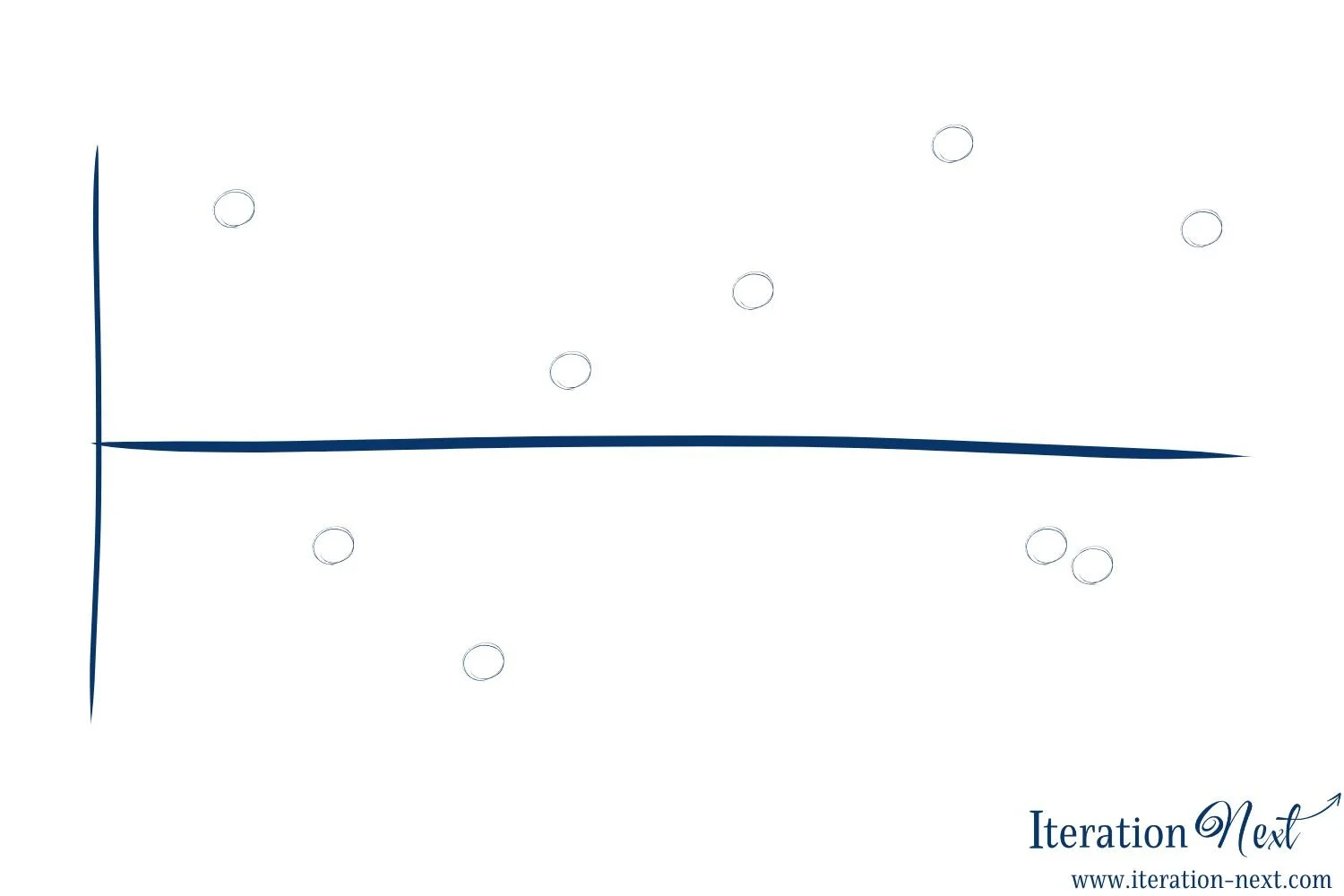
Start by drawing a horizontal line across a piece of paper. Now divide that line into 12 equal increments, one for each month last year. Then create a scale along the left, 1 to 10 above the line, -1 to -10 below the line. Next, plot key events or activities on this timeline, putting them high above the line if the experience was absolutely amazing, and well below the line if the situation was especially challenging.
As you do this exercise, note what you’re observing about these experiences. What factors influenced where items were placed on the scale? What themes do you see?
A Radar Graph
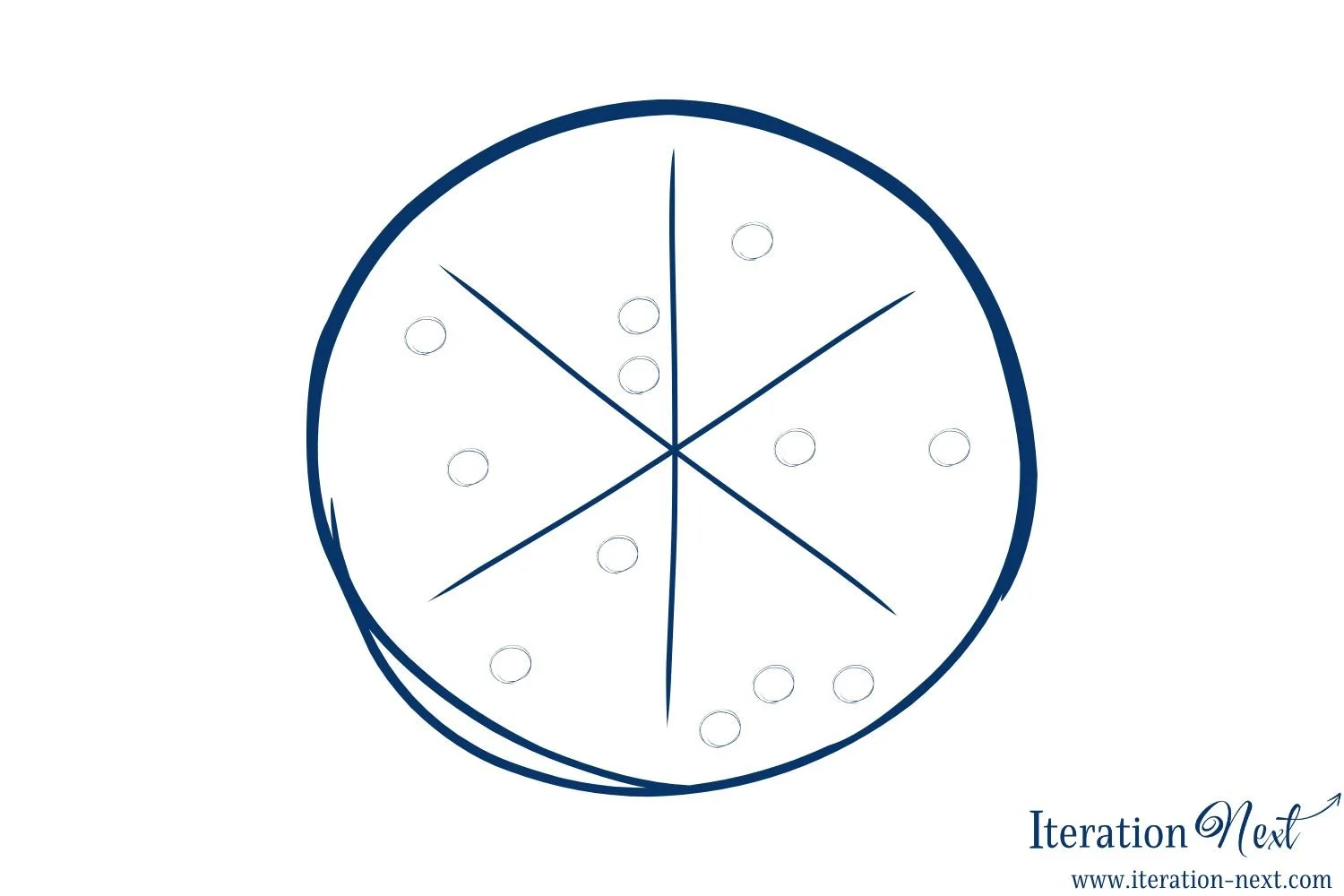
Start by identifying the key themes that are important to you in your life. Perhaps it’s Work, Health, Relationships, and Finances. Or maybe you have one representing each goal you set for yourself for the year. Next, draw a circle and divide the circle into wedges, like pieces of a pie. Label each piece with one of the themes you identified. Then, place a mark for each key event or activity from this past year, placing the mark closer to the center if things didn’t go well, and farther out if it went really well.
Note what you’re observing about how you’re placing each item. Is one theme looking really good, while another is less satisfying? What influenced where you placed each item? What themes do you see?
Rose/Thorn
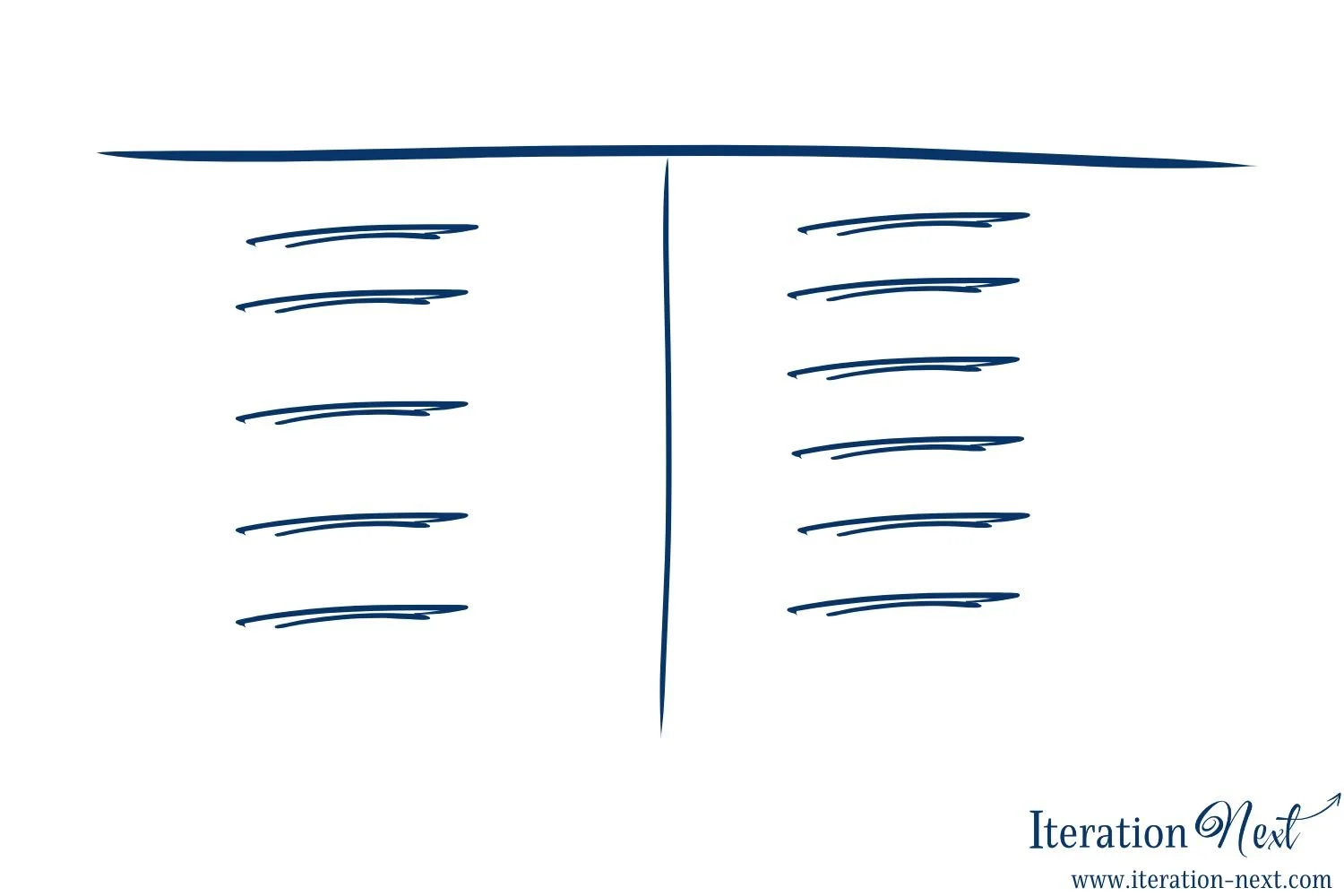
A simpler way to reflect back is to divide a piece of paper into two equal sections, labeling one Roses and the other Thorns. Then simply list out the things that went well this year (roses) and those that didn’t (thorns).
As you make your list, what are you noticing? Are there themes that jump out?
Taking some time to reflect back, with thoughtfulness, before setting new goals or intentions for the year, can help us make more effective plans for the next year. Consider using one of these exercises as a tool to help you identify where you want to focus this coming year, and how you can set that year up for success.
“Experience doesn't make you wiser. Evaluated experience makes you wiser.” - Andy Stanley
What helps you reflect back? Will you share your approach with me?

December 11, 2025
About the author:
Christina Von Stroh is a leadership coach who helps her clients become wildly successful by applying iterative software development practices to achieve their dreams. Want to work with Christina to help you iterate towards the person you’re becoming?
Book your free strategy session.